If you only read one page about protecting your paint from the Texas sun, make it this one. Ceramic coating is the single biggest upgrade we offer in our exterior detailing lineup — and also the most misunderstood, thanks to spray-on products that borrow the name without the substance.
What a ceramic coating actually is
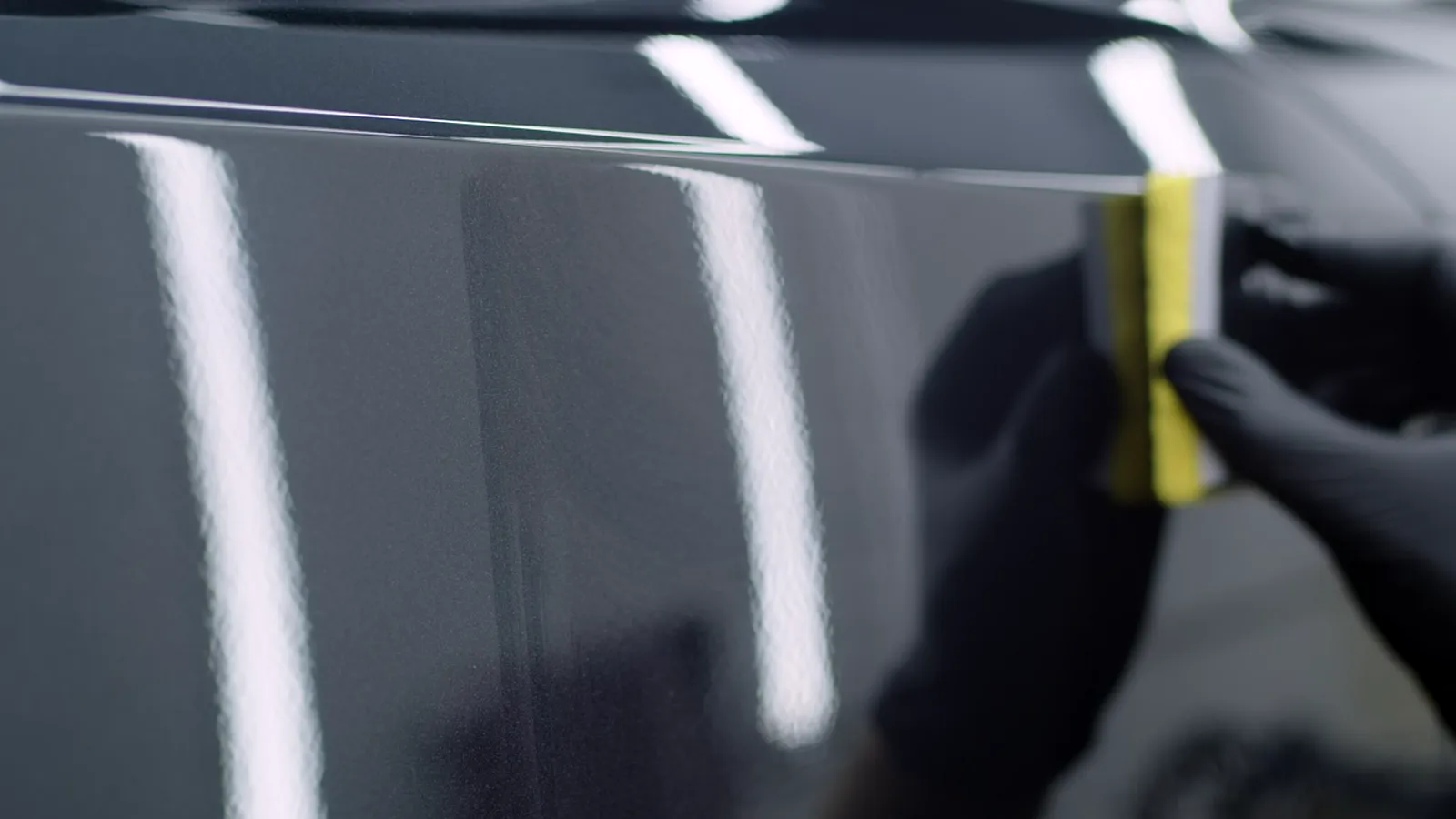
A professional ceramic coating is a liquid polymer — typically built on SiO₂ (silicon dioxide) — that chemically bonds with your clear coat and cures into a hard, semi-permanent glass-like layer. It doesn't sit on top of the paint the way wax does; it becomes the surface. That one difference drives everything else:
- UV resistance. The coating takes the sun's abuse so your clear coat doesn't. In a climate where panel temperatures pass 140°F in a parking lot, that's not a luxury feature.
- Chemical resistance. Bird droppings, bug acids, and hard-water minerals etch unprotected paint fast in the heat. A cured coating buys you time to remove them before damage happens.
- Hydrophobics. Water beads and sheets off, carrying dirt with it. Washing gets faster, and the dreaded Tarrant County sprinkler spotting has a much harder time sticking.
- Gloss. A coated panel has a depth and slickness that fresh wax imitates for a few weeks — and the coating holds it for years.
Prep is the job: why correction comes first
A ceramic coating locks in whatever is underneath it — including swirl marks, water-spot etching, and buffer holograms. Coating over damaged paint preserves the damage under glass. That's why every coating we install starts with full decontamination (wash, iron remover, clay bar) and the appropriate level of paint correction to get the surface genuinely right first. On a coating job, the polishing is most of the labor; the coating itself is the final hour. Be suspicious of any quote that skips the prep.
What maintenance looks like
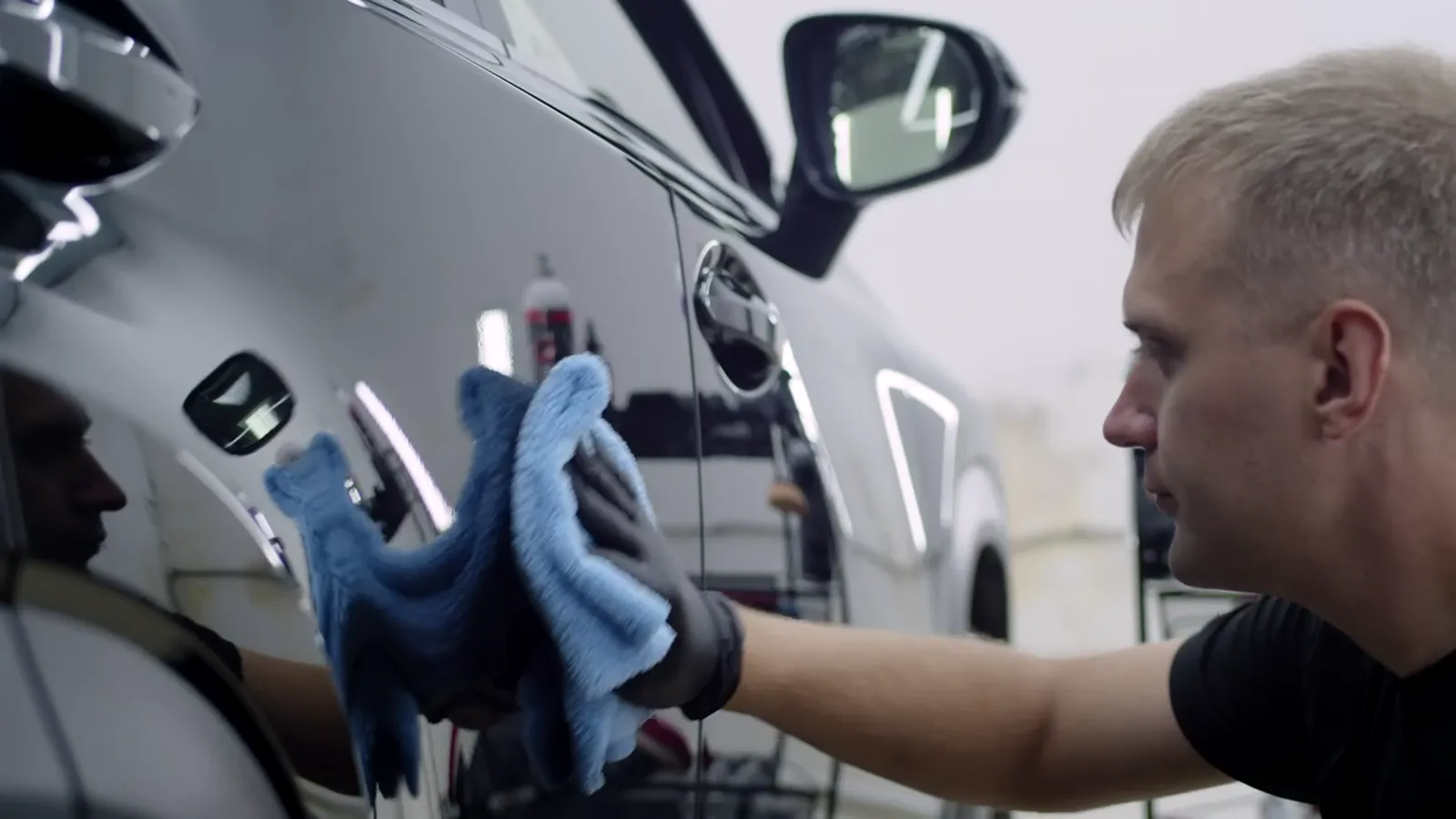
Coated cars still get dirty — they just give the dirt nothing to grip. Maintenance means regular pH-neutral hand washes, no automatic brush tunnels, and an occasional silica topper to refresh the hydrophobics. What disappears is the seasonal re-waxing treadmill and the anxiety every time the sprinklers catch your fender. We'll walk you through the first-wash timeline and care routine at handover.
Ceramic vs. wax, honestly
Wax is warm-looking, cheap, and gone in a couple of months of DFW sun. Ceramic costs more up front and demands proper prep, but it's measured in years, not weeks. If you're deciding between them, our ceramic coating vs. wax comparison lays out the trade-offs without the sales pitch. The short version: wax is a finish, ceramic is protection.
Is coating right for your car?
Daily drivers that live outside, trucks that work for a living, new cars you intend to keep nice, and anything you plan to sell in a few years all benefit — protected paint is preserved resale value. If your budget says pick one thing, and your paint already shows damage, start with correction; if your paint is clean, coat it before Texas changes that.
Book a ceramic coating consult — tell us the vehicle, its condition, and how it lives, and we'll quote the right prep-plus-coating combination. Shop installs, or mobile where conditions allow, across Mansfield, Arlington, Kennedale, Burleson, and Midlothian.